NIS-2 Directive: cybersecurity obligations for companies. Do you need support with implementation?More about NIS-2

· machCon · New Ways of Working · 1 min read

Gender Equality after Covid-19

Covid-19 has set back gender equality in the workplace. An analysis of the impact on women careers and what needs to change for lasting equality.
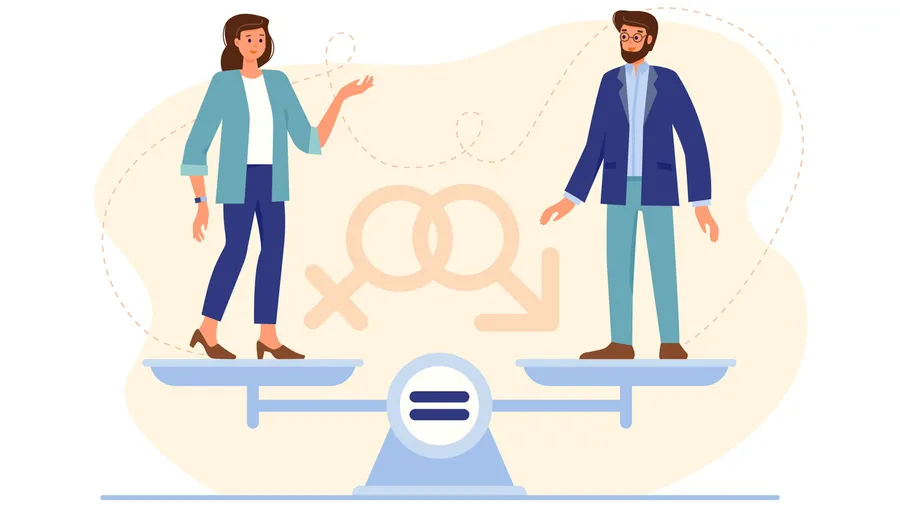
Illustration of a woman and a man standing on a balanced scale marked with an equals sign

Researchers from Northwestern University published a study that shows that the Covid-19 pandemic has a great impact on gender equality both during and after the downtime. They state that usually “regular” recessions affect mainly men’s employment, since male-dominated industries such as construction and manufacturing are often the first to slow down. However, with the social distancing measures the impact has been bigger on sectors with high female employment shares, such as service and hospitality jobs. In addition, support systems such as schools and day-cares that enable many women with young children to work have been shut down. Grandparents, friends and neighbors who might usually help out were also off-limits for the fear of contagion. Most families have no choice but to watch their kids themselves.

Share:

Related posts

View all posts »
The advantages of Perplexity AI

The advantages of Perplexity AI

Perplexity AI combines AI with real-time web search. An overview of its key advantages compared to traditional search engines and AI assistants.

New Ways of Working

New Ways of Working

New ways of working are reshaping organizations. What New Work really means in practice and how companies can adapt their culture, tools, and leadership style.

The Future Workforce

The Future Workforce

What will the future workforce look like? Key trends shaping talent, skills, and employment — and how organizations should prepare for tomorrow workers.

Why switch to agile methodology?

Why switch to agile methodology?

Why switch to agile methodology? The key benefits of agile ways of working and how organizations can manage a successful transition from traditional methods.